4 May 2026 • Cars Now Brunei
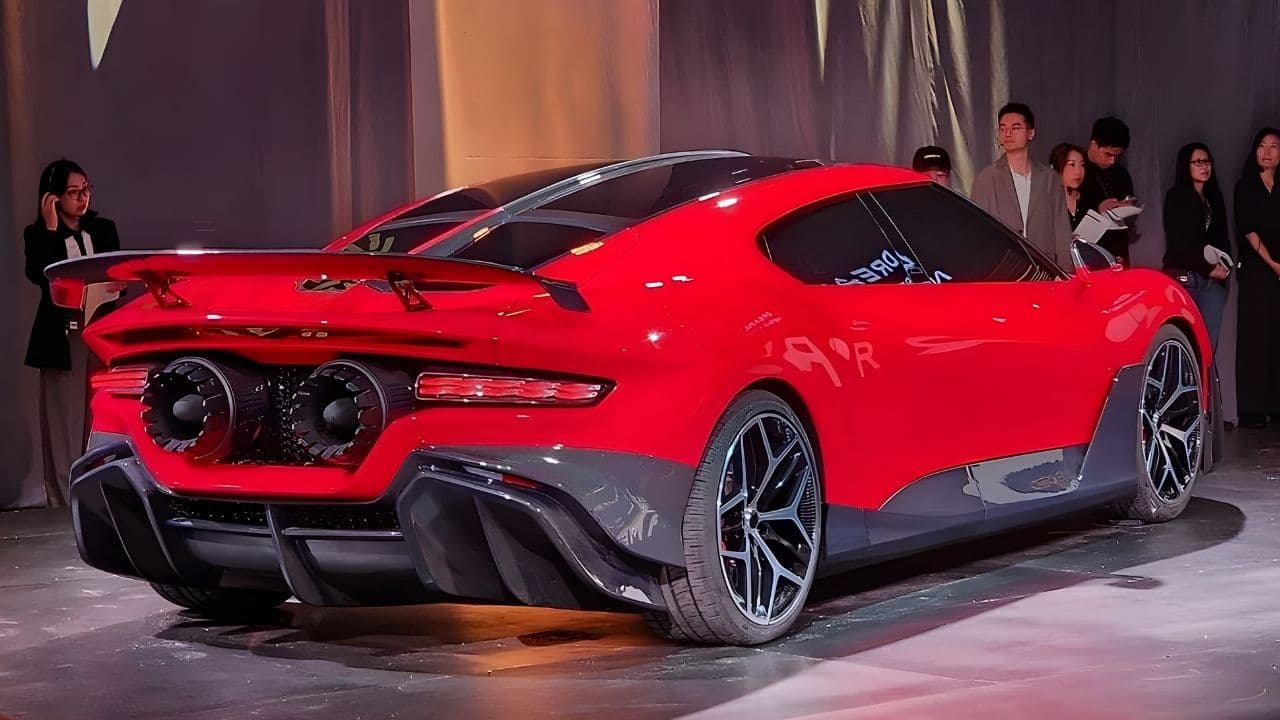
Dreame Technology is a Chinese company you've probably never heard of. They make robot vacuum cleaners, coffee machines, and hairdryers. Back in 2017 they were founded to build smart home appliances, and by most accounts they do that pretty well. Then in August 2025 they announced they wanted to build a car fast enough to challenge the Bugatti Chiron. And then last week in San Francisco, they unveiled the Nebula Next 01 Jet Edition: an electric hypercar with two solid rocket boosters bolted to it, claiming 0-100 km/h in 0.9 seconds.
Right. Let's go through this carefully.
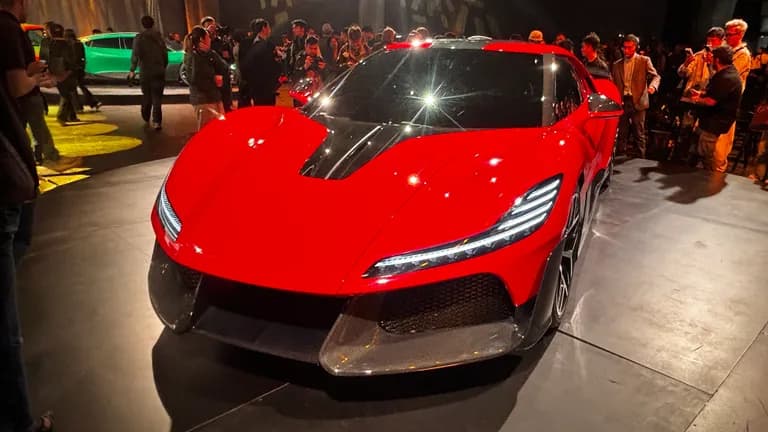
Dreame Nebula Next 01 Jet Edition Front View
The centrepiece of the whole thing is a custom dual solid rocket booster system that Dreame says fires up in 150 milliseconds and produces 100 kilonewtons of thrust. That is the kind of number that makes aerospace engineers sit up straight. The claim is that this aerospace-grade propulsion, adapted for civilian road use, is what gets you to 100 km/h in under a second. For reference, the current quickest production cars in the world manage somewhere around 2 seconds. Dreame is claiming less than half that.
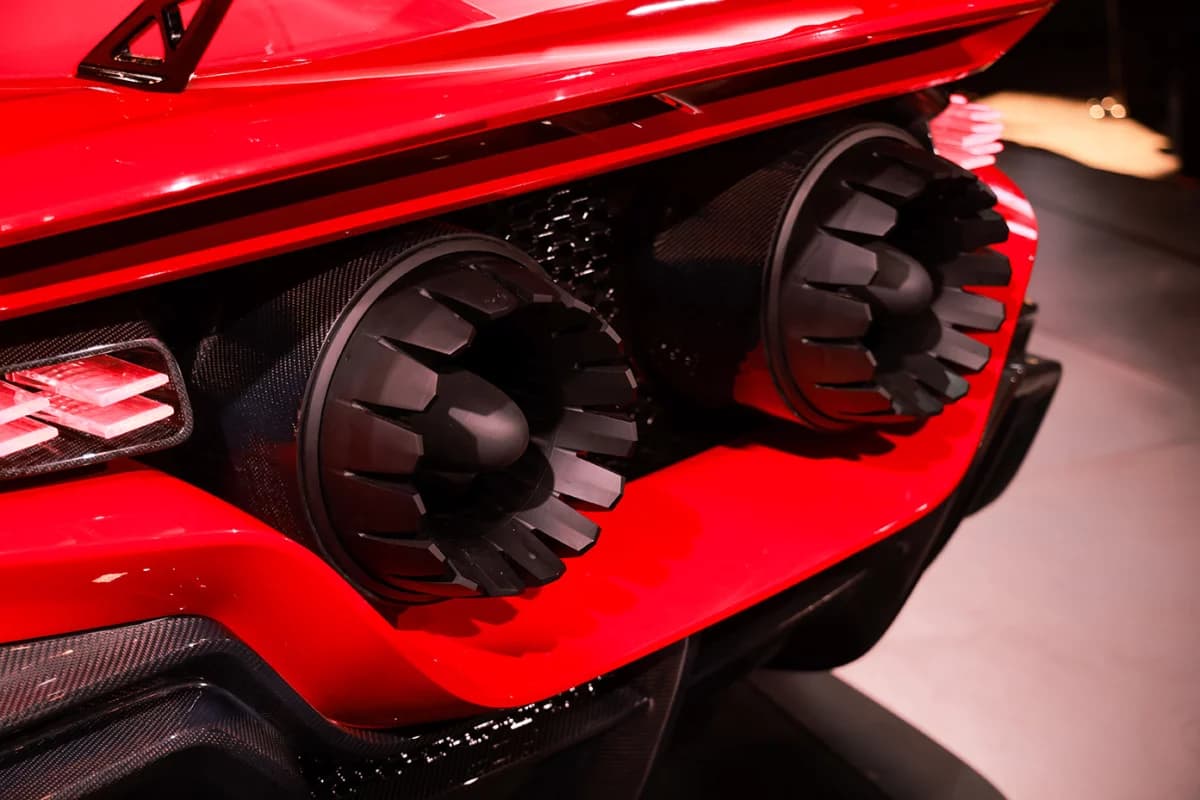
Dreame Nebula Next 01 Dual Solid Rocket Booster System
There is, helpfully, a disclaimer at the bottom of the promo video on YouTube that says the Jet Edition is 'not yet available for sale' and that the 'final production version is subject to the actual product.' Which is one way of saying absolutely nothing is confirmed. The same video also shows the driver mashing the throttle with their left foot, which does not exactly inspire confidence in the technical details being presented.
Here's the thing. Strip away the rockets and the 0.9 second claim, and there are some genuinely compelling pieces of technology here that deserve attention on their own merits.
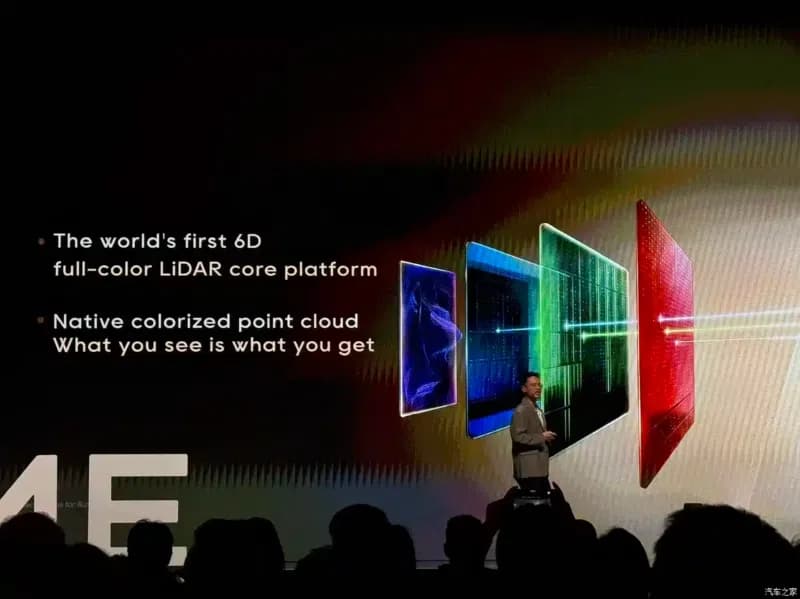
Dreame Nebula Next 01 DHX1 LiDAR System
That solid-state battery spec in particular is worth sitting with. At 450 Wh/kg, it would represent a meaningful leap over current production battery technology. Dreame says it is in the preparation phase for mass production, which either means it is genuinely close or it is still very much a lab result. The LiDAR system, if the numbers hold up, is also class-leading on paper.
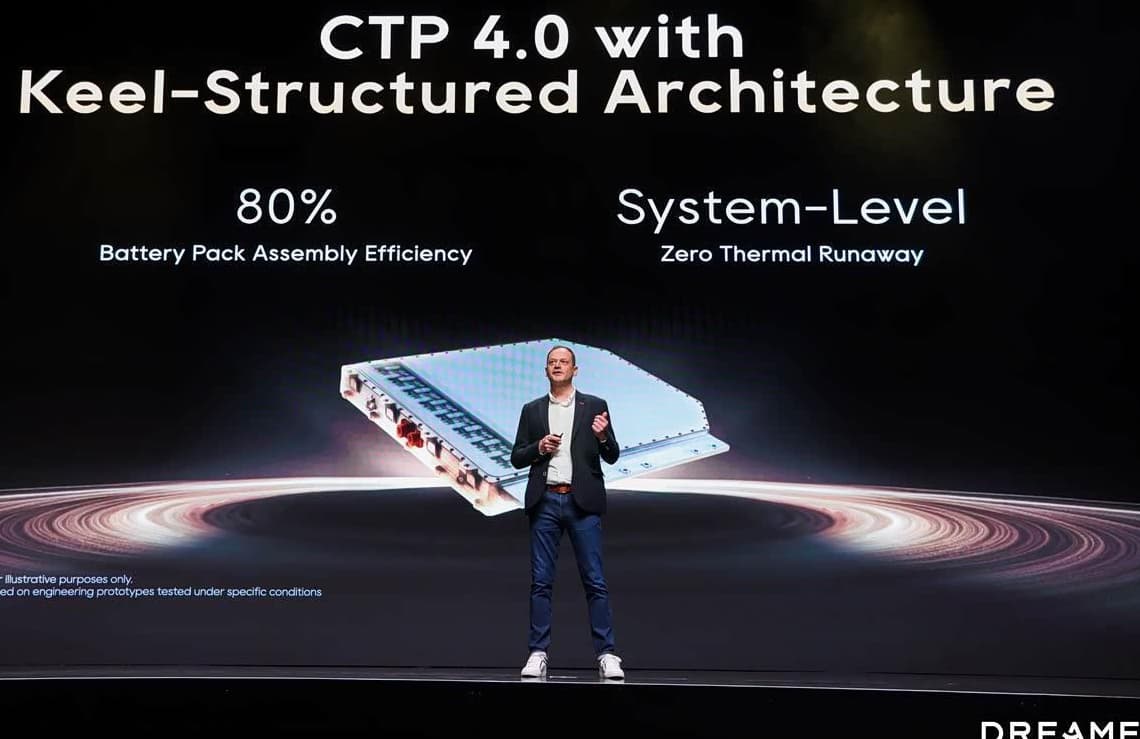
Dreame Nebula Next 01 Jet Edition Battery Pack
Sebastian Thrun, the Stanford professor widely credited as the father of modern autonomous vehicles, attended the launch in San Francisco and commented on Dreame's cross-boundary approach, describing their integration of aerospace technology and AI as something that could offer new ideas for intelligent mobility. That's a meaningful endorsement, even if it's carefully worded. Thrun didn't say the rocket car would work. He said the approach was interesting. That's a distinction worth noting.
The honest answer is: some of it, probably. The solid-state battery work appears to be real, Dreame actually released a solid-state battery with 60 Ah cells back in March 2026. The LiDAR and autonomous driving systems appear to be genuine engineering efforts. The 0.9 second rocket claim, though, sits comfortably in the same territory as Elon Musk's long-running promise of a sub-second SpaceX-assisted Tesla Roadster, which has been announced repeatedly and not yet materialised.
Chinese tech companies entering the automotive space is no longer surprising. Xiaomi did it. Huawei did it in a different way. What Dreame is doing here is grabbing global attention with a headline number that will get written about everywhere, while the actual technology underneath might be more grounded and more interesting than the rocket show suggests. Whether the Nebula Next 01 ever makes it to production in any form is a separate question entirely. But the battery and sensor tech? That's worth watching.
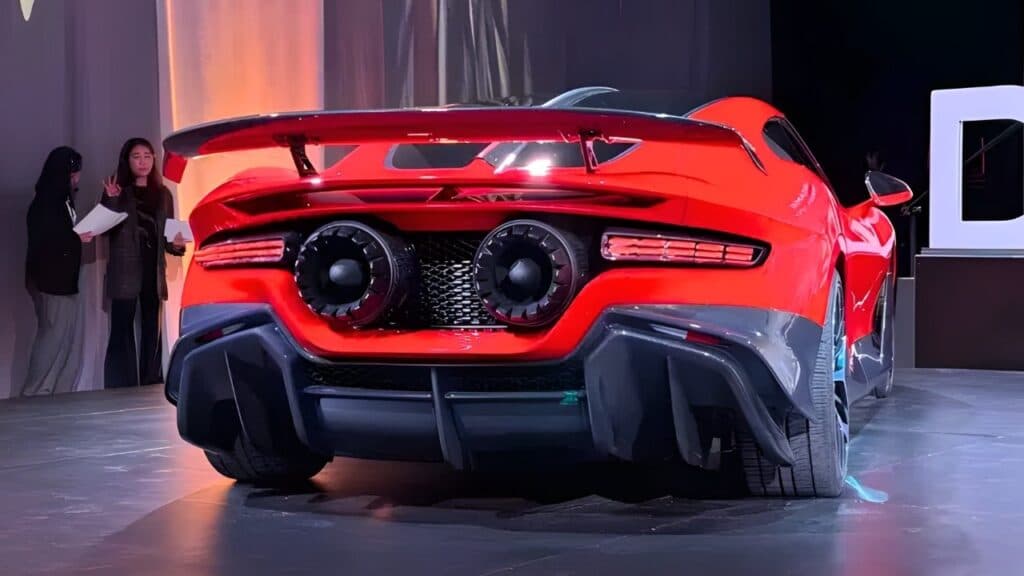
Dreame Nebula Next 01 Jet Edition Rear View
A vacuum cleaner company just held a launch event in Silicon Valley for a rocket-powered electric hypercar and got Stanford professors to show up. Whatever you think of the numbers, that's a remarkable thing to type. The Dreame Nebula Next 01 Jet Edition is equal parts engineering ambition, marketing spectacle, and question mark. The editor's note on CarNewsChina's coverage summed it up best: 'Sounds too good to be true.' We'd add: some of it probably is. The rest of it might not be.
